Why You’re Tired Even After 8 Hours of Sleep

Getting eight hours of sleep is considered the gold standard for good health, but if you hit the mark every night and still wake up feeling exhausted, you’re not alone. The truth is that quantity is only part of the equation. The quality of your sleep, your sleep environment, and even your mattress can all affect how rested you feel each morning.
If you’re consistently waking up tired despite getting enough sleep, it’s worth taking a closer look at the factors that may be disrupting your sleep and making you feel fatigued. Identifying the problem can help you enjoy more restorative rest and improve your overall health and well-being.
Key Points
- Sleep quality is just as important as the number of hours you sleep.
- An old or unsupportive mattress can interfere with deep sleep.
- Your sleep environment and nightly habits significantly affect how rested you feel.
- Upgrading your mattress and improving sleep hygiene can help you wake up refreshed.
Sleep Quality Matters Just as Much as Sleep Quantity
Spending eight hours in bed doesn’t necessarily mean you’re getting eight hours of restorative sleep. Throughout the night, your body cycles through different sleep stages, including:
- Stage 1: Light sleep (N1)
- Stage 2: Core sleep (N2)
- Stage 3: Deep sleep (N3)
- Stage 4: Rapid eye movement sleep (REM)

Deep sleep and REM sleep are especially important for physical recovery, memory consolidation, and overall health. Frequent awakenings, even if they are brief or you don’t remember them, can interrupt these cycles and leave you feeling tired the next day.
Improving sleep quality often has a greater impact than simply increasing the number of hours you sleep.
Your Mattress Could Be Affecting Your Sleep
It’s easy to overlook the role your mattress plays in sleep quality. An old or unsupportive mattress doesn’t keep your spine aligned as it should, creates pressure points, and causes discomfort that leads to tossing and turning throughout the night.
Signs it may be time for a new mattress include:
- Waking up with back, neck, or shoulder pain
- Feeling more rested when sleeping away from home
- Visible sagging or lumps
- Increased motion transfer from a partner
- Your mattress is 7–10+ years old

Your Sleep Environment Makes a Difference
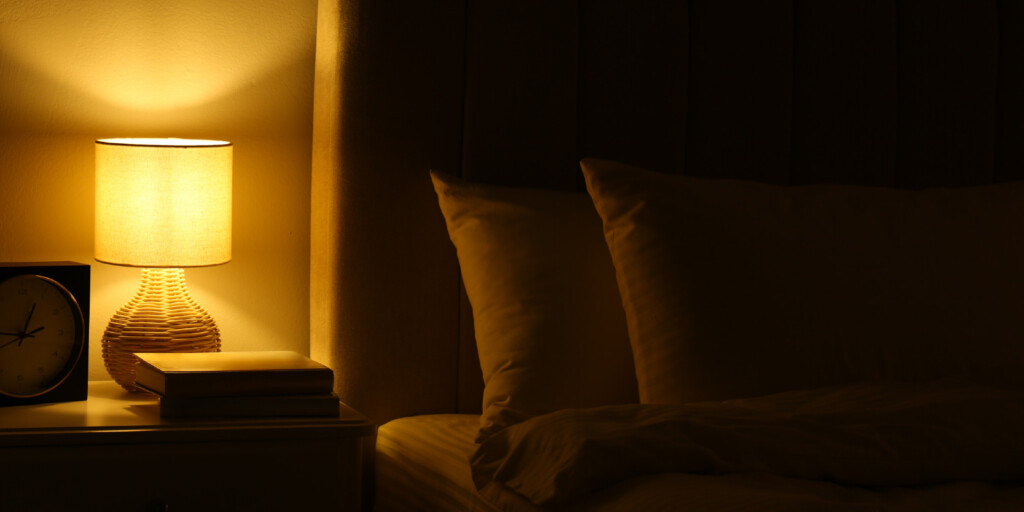
Your bedroom should encourage quality sleep. Even small environmental factors can make it harder for your body to stay asleep, and creating a relaxing sleep environment helps signal your body that it’s time to rest.
For better sleep, consider:
- Keeping your bedroom cool and comfortable
- Using blackout curtains to block outside light
- Reducing noise with white noise machines or earplugs
- Limiting screen time before bed
- Choosing supportive pillows and breathable bedding
Lifestyle Habits May Be Disrupting Your Sleep
Daily habits often affect how well you sleep at night. Making small lifestyle adjustments can often improve both sleep quality and daytime energy.
Common factors that contribute to poor sleep include:
- Consuming caffeine too late in the day
- Drinking alcohol before bedtime
- Irregular sleep schedules
- High stress or anxiety
- Heavy meals late at night
- Lack of regular physical activity
Sleep Disorders May Be the Cause
If you’ve improved your sleep environment and still wake up exhausted, an underlying sleep disorder may be the culprit.
Conditions such as sleep apnea, insomnia, restless legs syndrome, and circadian rhythm disorders can prevent restorative sleep even if you’re spending enough time in bed. If excessive daytime fatigue continues for several weeks, consider speaking with a healthcare provider or sleep specialist.
The Benefits of Better Sleep
Small improvements to your sleep routine (and your mattress) can make a noticeable difference over time, positively impacting nearly every area of your life, including:
- Increased daytime energy
- Better concentration and memory
- Improved mood
- Stronger immune function
- Better athletic recovery
- Reduced stress
- Enhanced overall health

Wake Up Feeling Refreshed with The Mattress Hub
If your mattress is preventing you from getting quality sleep, replacing it may be one of the best investments you can make in your health.
At The Mattress Hub, we offer a wide selection of high-quality mattresses designed to fit every sleep style and comfort preference. Our knowledgeable team can help you find the perfect mattress so you can enjoy deeper sleep and wake up feeling refreshed every morning. Visit The Mattress Hub today and discover how the right mattress can transform your sleep.
FAQs
Poor sleep quality, frequent nighttime awakenings, stress, an uncomfortable mattress, or an underlying sleep disorder can all leave you feeling tired despite getting enough hours of sleep.
Yes. An old or unsupportive mattress can cause discomfort, lack spinal support, and interrupt your sleep, making it harder to reach restorative sleep stages.
Most mattresses should be replaced every 7–10 years, although this varies depending on the mattress type, quality, and signs of wear.
Maintaining a consistent sleep schedule, creating a cool and quiet sleep environment, limiting screen time before bed, and sleeping on a supportive mattress can all improve sleep quality.
The Mattress Hub offers a variety of quality mattresses, sleep accessories, and expert guidance to help you choose the right sleep solution for your comfort needs, helping you achieve more restful and restorative sleep.
Table of Contents
- Introduction
- Key Points
- Sleep Quality Matters Just as Much as Sleep Quantity
- Your Mattress Could Be Affecting Your Sleep
- Your Sleep Environment Makes a Difference
- Lifestyle Habits May Be Disrupting Your Sleep
- Sleep Disorders May Be the Cause
- The Benefits of Better Sleep
- Wake Up Feeling Refreshed with The Mattress Hub
- FAQs