Best Mattresses for Hot Sleepers

The Frustration of Sleeping Hot
There is nothing quite like the frustration of waking up at 3:00 a.m., drenched in sweat, flipping your pillow to the “cool side,” and kicking off the blankets.
If you are a naturally hot sleeper, or if summer heatwaves are wrecking your sleep cycle, your mattress might actually be part of the problem. Many traditional beds trap body heat and radiate it right back at you.
Key Points
- Airflow dictates temperature. A mattress cannot actively cool you down unless it can breathe; open structures like coils or aerated latex are inherently cooler than dense, solid foam blocks.
- The deeper you sink into a mattress, the less surface area your body has exposed to the air, and the more heat gets trapped around you.
- For the majority of hot sleepers, hybrid mattresses provide the perfect middle ground of foam-like pressure relief and coil-powered ventilation.
- A cool-to-the-touch fabric cover is great for the first twenty minutes, but long-term temperature regulation depends entirely on the interior materials of the bed.
Your Mattress Type Makes a Difference
When you visit The Mattress Hub, you will see plenty of flashy cooling technology names on the tags. But before you look at specific brands, you need to understand the structural layout of a bed because the type of mattress you choose is one of the most important factors in whether you sleep hot or stay cool.
Here is how the main mattress types stack up for temperature regulation, from the heat-trappers to the ultimate airflow champs.

1. Hybrid Mattresses
The Ultimate Compromise for Contouring and Airflow
If you love the pressure-relieving hug of foam but dread the heat retention, a hybrid mattress is usually your best bet to get a cool night’s sleep.
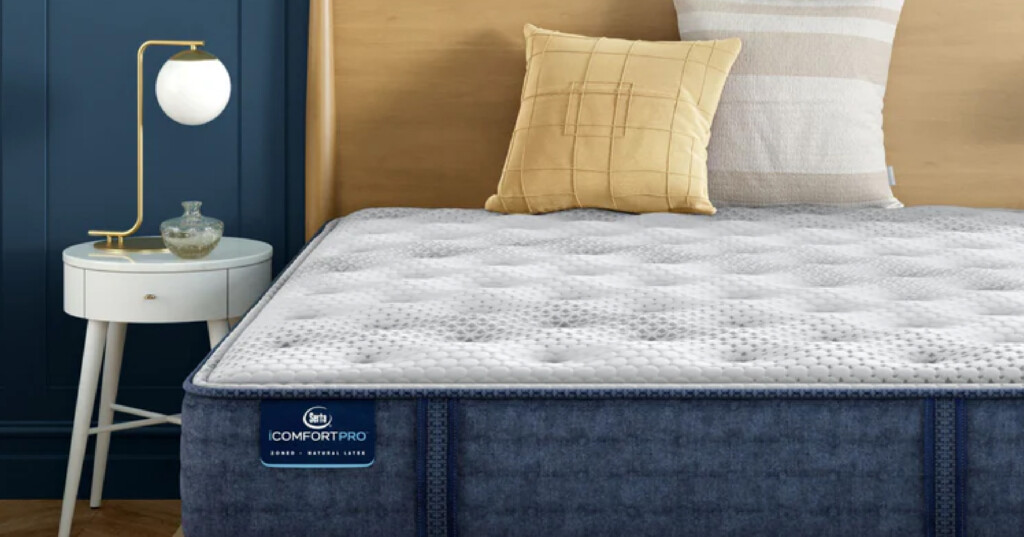
How it works: Hybrid beds combine a supportive base of individually wrapped steel coils with comfort top layers made of foam, latex, or specialized cooling materials. Because the core of the mattress consists of open coils rather than dense, solid foam blocks, air can move freely through the base of the bed.
2. Latex Mattresses
The Natural Cooling Champion
For sleepers who want an eco-friendly option that naturally resists heat retention without relying on synthetic chemicals or heavy engineering, natural latex is the gold standard.
How it works: Harvested from the sap of rubber trees, natural latex provides a responsive, buoyant feel. Unlike memory foam, you sleep on top of latex rather than sinking into it. Latex features an open-cell molecular structure that doesn’t trap ambient body heat. And, many latex comfort layers are manufactured with tiny aeration holes running through them, creating a breathable surface that prevents heat from pooling beneath your body.

3. Traditional Innerspring Mattresses
Maximum Breathability, Minimal Contouring
The classic old-school design is still one of the absolute coolest options on the market, purely due to how much empty space sits inside the bed.
How it works: These mattresses rely on an interconnected network of steel coils wrapped in minimal comfort padding, usually cotton, wool, or thin poly-foam. Traditional innersprings offer virtually no resistance to airflow. Because you don’t sink deeply into the mattress, a large portion of your body remains exposed to the open air of your bedroom. The downside? They don’t offer the deep pressure point relief of modern hybrids or specialized foams.
4. Memory Foam Mattresses
The Heat Trapper (Unless Engineered for Cooling)
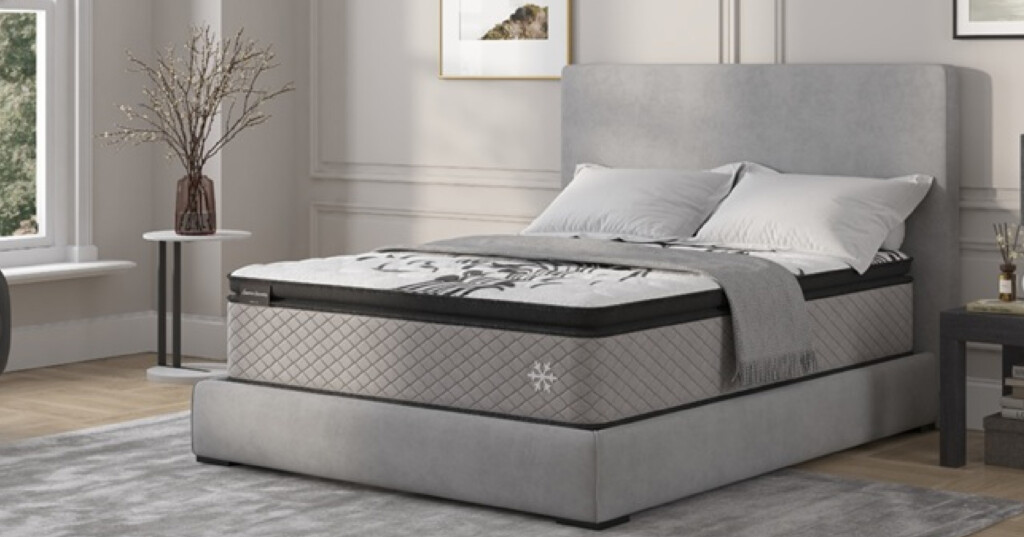
Traditional, standard memory foam is notoriously problematic for hot sleepers. Because it reacts to your body heat to contour tightly around your joints, it essentially creates a thermal cradle.
However, modern mattress manufacturing has evolved. If you are dead-set on an all-foam bed, look for these specific material infusions designed to counteract heat trapping:
- Gel-Infused Foam: Liquid cooling gel or gel beads are swirled into the foam to actively absorb body heat and pull it away from your skin.
- Copper or Graphite Infusions: Copper and graphite are natural thermal conductors. When infused into foam layers, they work like a lightning rod for heat, dispersing it outward away from your body.
- Open-Cell Foam: This foam is intentionally manufactured with broken cell walls to allow more physical airflow than dense, traditional memory foam.
Find Your Perfect Cool-Sleep Solution
At the end of the day, you don’t have to suffer through tossing, turning, and sweaty nights. Choosing the right mattress type is the ultimate secret weapon to reclaiming your sleep and staying cool all night long. Because everyone’s comfort preferences are unique, the best way to find your perfect match is to experience these materials for yourself. Stop by your nearest Mattress Hub, and our sleep experts will help you find the exact mattress type that lets you finally beat the heat!
FAQs
As mattresses age, the interior comfort materials begin to break down, sag, and compress. This causes you to sink deeper into the core of the bed than you used to, cutting off airflow and trapping heat around your body.
Yes, but you have to be strategic about the mattress type. Soft, traditional memory foam wraps tightly around your body, creating a heat-trapping pocket. If you want a plush, cloud-like feel without the heat, look for a plush hybrid mattress or an aerated latex mattress. These types provide the deep cushioning you want on top, while the coils and open-cell structures underneath allow body heat to escape instead of pooling around you.
It can if you buy the wrong one. Cheap, plastic-backed waterproof protectors act like a greenhouse, trapping all your body heat inside. If you sleep hot, look for breathable mattress protectors made from Tencel, bamboo, or specialized performance fabrics designed to let air flow freely.
Generally, yes. Natural latex is inherently temperature-neutral and stays cool across the entire night. Gel memory foam is excellent at absorbing heat initially, but once the gel reaches its thermal capacity, its cooling effect can diminish if the mattress doesn’t have a coil base to channel that heat out.
When you visit one of our stores, don’t just lie completely still. Pay attention to how easily you can move on the bed. If you feel like you are stuck in a muddy hole, that material will likely trap heat. Look for responsive surfaces and ask our team to show you our most breathable options. We’re here to help you find your perfect mattress