How To Clean and Sanitize Your Mattress
We spend about a third of our lives sleeping. Every night, our bodies shed dead skin cells, release natural oils, and sweat anywhere from a few ounces to a full cup of moisture. Over time, that build-up embeds itself deep within your bed, creating an open invitation for dust mites, bacteria, and allergens.
If you can’t remember the last time you refreshed your bed, don’t worry. We’re here to help you get started. Cleaning your mattress sounds intimidating, but it is actually highly manageable.
Let’s dive into the ultimate guide to deep cleaning and sanitizing your mattress to keep your sleep environment fresh and healthy.
Key Points
- Mattresses absorb significant amounts of sweat, body oils, and dead skin cells, making regular deep cleaning essential to eliminate allergens and dust.
- Cleaning liquids should never be poured directly onto a mattress. Instead, use minimal moisture and absorb odors with baking soda to protect deep foam layers from trapping dangerous mold.
- Harsh chemical cleaners can degrade comfort foams and void warranties; a fine mist of 70% isopropyl alcohol is best for sanitizing.
Your Supply Checklist
Before you start, gather your supplies. You won’t need any professional equipment; most of these items are probably already sitting in your pantry or laundry room.
- A vacuum cleaner with an upholstery attachment
- Microfiber cleaning cloths
- A spray bottle
- Mild dish soap
- Enzyme-based upholstery cleaner (for tough stains)
- Baking soda
- 70% isopropyl alcohol
The Step-by-Step Mattress Refresh Method
To get the best results without damaging the delicate comfort layers of your bed, follow these steps:
1. Strip the Bed and Wash Your Linens
Remove all sheets, blankets, and your mattress protector. Throw them into the washing machine on the hottest temperature setting recommended by the care labels to destroy lingering dust mites and bacteria. Aim to wash your bedding once a week.
2. Vacuum the Entire Surface
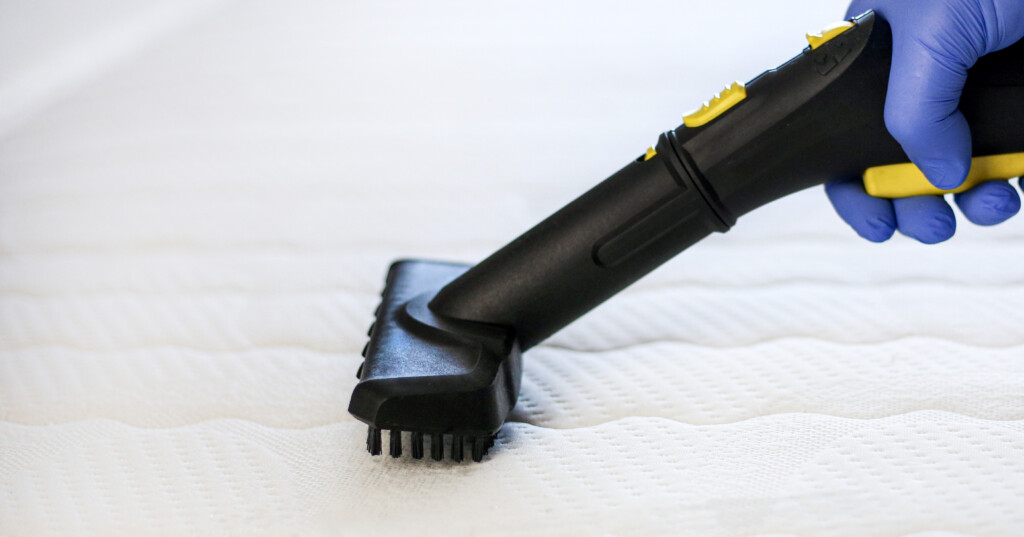
Using the upholstery attachment on your vacuum cleaner, press firmly into the fabric and vacuum the entire surface of your mattress. Pay close attention to the seams, tufts, and quilting where dead skin cells and dust mites love to hide.
3. Spot Clean Stains Carefully
Never pour liquids directly onto your bed. Memory foam and internal layers act like sponges and trap moisture, which can cause mold to grow. Instead, apply a small amount of mild dish soap and warm water (or enzyme-based upholstery cleaner for tough stains and bodily fluids) to a cloth and blot the stain gently from the outside edge inward.
4. Deodorize with Baking Soda
Sprinkle a generous, even layer of baking soda over the entire top of the mattress. Baking soda naturally neutralizes odors and breaks down residual moisture. For an extra refreshing touch, mix in a few drops of lavender essential oil before sprinkling.
5. Vacuum a Second Time
Once the baking soda has sat on your mattress for at least two hours (longer is better!), vacuum your mattress again to remove all of the powder. Your mattress should smell instantly refreshed.
How to Safely Sanitize Your Mattress
Cleaning removes surface-level dirt and debris, but sanitizing targets the invisible bacteria, dust mites, and allergens lurking beneath the surface.
Important rule of thumb: Check your mattress warranty before using any disinfectants. Ensure that what you plan to use will not damage the materials in your mattress.
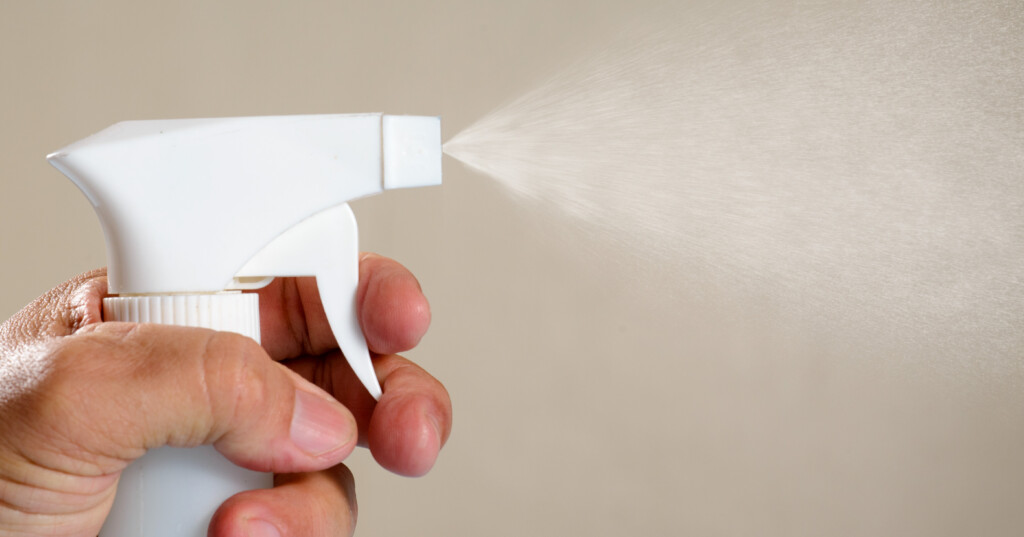
For many mattresses, a small amount of 70% isopropyl alcohol will do the trick. Pour the alcohol into a spray bottle, and spray a very fine mist across the surface from about a foot away, just enough to dampen the outer fabric layer without saturating the materials underneath. Let it air dry completely before rebuilding the bed.
Tips to Keep Your Mattress Clean Longer
Once your bed is fresh and clean, you want to keep it that way for as long as possible. Implement these three habits to minimize future upkeep:
Invest in a Waterproof Mattress Protector
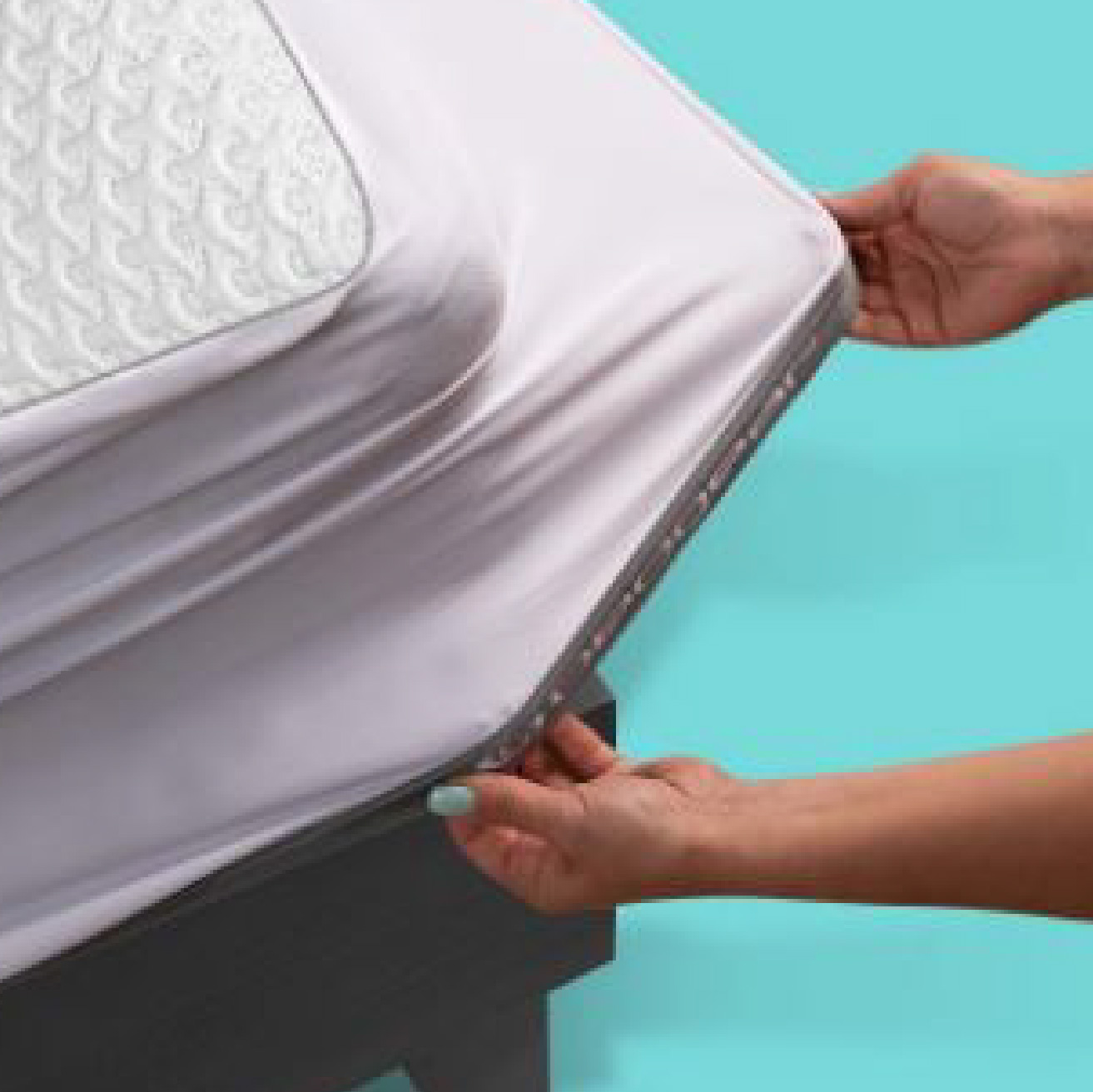
This is non-negotiable. A high-quality, breathable mattress protector acts as a great barrier against liquids, skin cells, and bodily fluids. You can simply throw the protector into the wash with your bedding, and your actual mattress stays factory-fresh.
Rotate Regularly
Rotate your bed 180 degrees every six months. This ensures even wear on the comfort layers and helps prevent body impressions from trapping body heat and sweat in the exact same spot.
Let Your Bed Breathe
Don’t make your bed the second you wake up. Pull back the blankets and let the mattress air out for 30 to 60 minutes to let nighttime moisture evaporate first.
When Is It Time to Say Goodbye?
While deep cleaning can work wonders to extend the life of your bed, no mattress lasts forever. If your mattress is more than 7 to 10 years old, has severe sagging, or still holds a stubborn odor despite deep cleaning, a fresh start might be your healthiest option.
If it’s time to upgrade your sleep quality, stop by The Mattress Hub or browse our collection online. Our sleep experts are ready to match you with a bed that will keep you comfortable for years to come!

FAQ
For a healthy sleep environment, you should deep clean your mattress every 6 months. A great way to remember is to tie it to your mattress rotation schedule.
While heavy chemicals like bleach are great for hard surfaces, they are highly destructive to bedding. They can chemically break down the synthetic structure of memory foam and latex comfort layers, causing them to crumble, sag, and permanently lose their supportive shape. Using these chemicals can also immediately void your manufacturer’s warranty.
We highly advise against steam cleaning unless specifically approved by your mattress manufacturer. Steam introduces intense heat and moisture deep into the dense layers. Because mattresses are so thick, drying out that internal moisture completely is incredibly difficult, which often leads to hidden mold and mildew growth inside your bed.
Act fast and absorb, never scrub! Immediately strip the bedding and use a dry, clean towel to press firmly into the spill to draw as much liquid as possible from the mattress. Once you’ve absorbed the bulk of the liquid, lightly blot the area with a damp cloth mixed with mild dish soap, then sprinkle a thick layer of baking soda over the spot to pull out the remaining moisture. Let it air dry completely for several hours before making the bed.
A waterproof, breathable mattress protector does 90% of the heavy lifting by blocking spills, sweat, and dead skin cells from reaching the bed itself. However, fine dust particles and microscopic allergens and bacteria can still settle over time. If you use a protector, you can skip the intense stain spot treating, but you should still give your mattress a quick vacuum, baking soda refresh, and isopropyl alcohol mist once a year.