How Stress, Light, and Temperature Affect Sleep

If you’ve ever tossed and turned in bed despite feeling exhausted, the issue may not be your mattress alone. Sleep is influenced by a combination of physical, mental, and environmental factors, and things like stress, light, and temperature play a much bigger role than most people realize.
We’re here to help you understand how common issues can affect your sleep and help you make small changes that lead to deeper rest and easier mornings.
The Sleep Disruptor You Can’t Ignore
Stress is one of the most common causes of poor sleep. When your mind is racing, your body remains in a state of alertness, making it difficult to fall and stay asleep.
High stress levels can:
- Increase the frequency of nighttime awakenings
- Shorten deep sleep cycles
- Cause muscle tension and headaches
- Lead to inconsistent sleep schedules
Even low-level, chronic stress can interfere with your body’s ability to fully relax. It’s important to take care of yourself and address mental health concerns with the help of your doctor. In the meantime, creating a calming bedtime routine can help signal to your brain that it’s time to wind down.
Why Darkness Matters More Than You Think
Light exposure has a direct impact on your circadian rhythm, your body’s internal clock. When you’re exposed to light at night, especially blue light from your phone, a tablet, or the TV, your brain produces less melatonin, the hormone that helps regulate sleep.
Too much light at bedtime can:
- Delay the onset of sleep
- Reduce sleep quality
- Make it harder to wake up feeling refreshed
Dimming lights in the evening, using blackout curtains, and avoiding screens before bedtime can significantly improve sleep quality.
Finding the Sweet Spot for Sleep
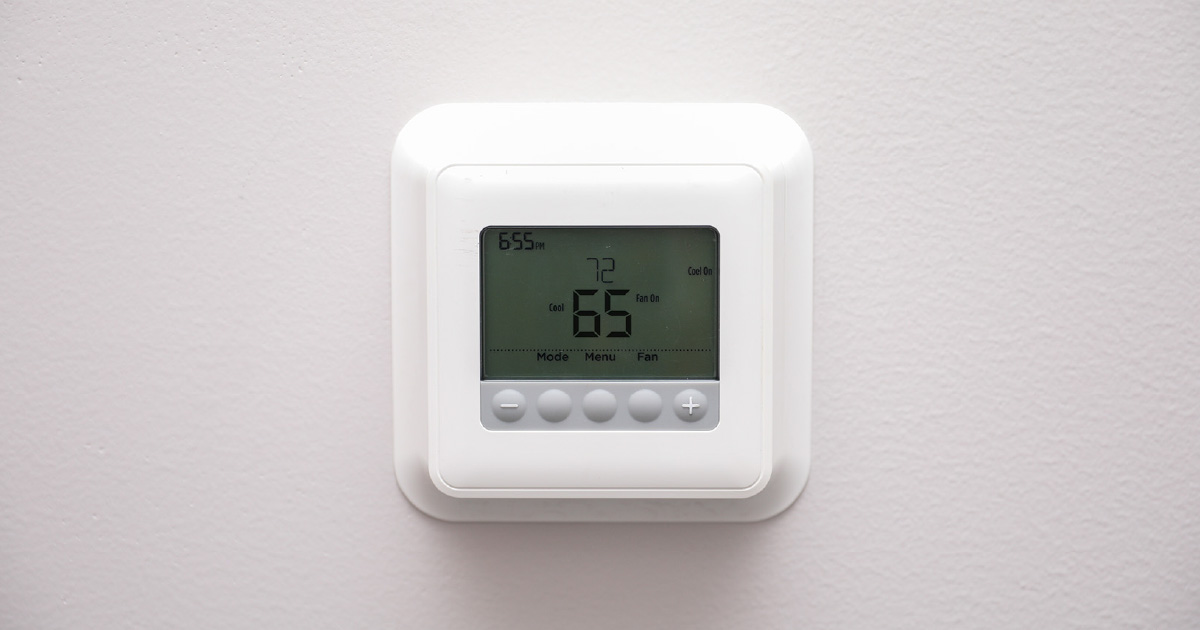
Your body naturally cools down as you prepare for sleep. If your bedroom is too hot or too cold, it can interfere with this process and disrupt your sleep cycle.
Sleep experts generally recommend a bedroom temperature between 60–67°F for optimal rest.
Poor temperature control can lead to:
- Night sweats or chills
- Frequent waking
- Restless, shallow sleep
Breathable bedding and a temperature-regulating mattress can make a noticeable difference, especially for hot sleepers.
How Your Mattress Ties It All Together
While stress, light, and temperature are major factors in your sleep quality, your mattress plays a crucial supporting role. A mattress that offers proper support and temperature regulation helps your body fully relax, making it easier to fall asleep and stay asleep through the night.
At The Mattress Hub, we help customers find mattresses designed to promote their best, healthiest sleep.
Small Changes, Better Sleep
Improving your sleep doesn’t always require major changes. Managing stress, controlling light exposure, adjusting your room’s temperature, and choosing the right mattress can work together to dramatically improve your sleep quality.
If you’re ready to upgrade your sleep environment, visit The Mattress Hub and let our sleep experts help you find the mattress that fits your needs!