What Happens to Your Body When You Don’t Sleep Enough

We’ve all done it: pushed our bedtime back to watch one more episode, scrolled late into the night, or tossed and turned on an old, unsupportive mattress. Then, we wake up the next morning feeling groggy, grab an extra cup of coffee, and hope for the best.
While an occasional late night isn’t the end of the world, chronic sleep deprivation takes a heavy toll on your physical and mental health. Sleep is when your body repairs, restores, and prepares you for the day ahead, so keeping a healthy sleep schedule is vital for your health.
Key Points
- Sleep deprivation impairs memory, slows reaction times, and triggers mood instability by overactivating the brain’s emotional center.
- Lack of sleep reduces infection-fighting cytokines, leaving you vulnerable to illness, while consistently getting under 6 hours of sleep elevates the risk for cardiovascular issues.
- Insufficient rest spikes ghrelin (hunger hormone) and suppresses leptin (fullness hormone), driving intense cravings for sugar and carbs that can lead to weight gain over time.
- A supportive environment is essential for deep sleep. If you practice good sleep habits but still wake up sore or exhausted, your mattress may be to blame.
How Does Poor Sleep Affect Your Health?
The quantity and quality of your sleep significantly impact your health, particularly over time. Here is what really happens to your body when you don’t get enough sleep:
1. Your Brain Goes Into “Brain Fog” Mode
Sleep is when your brain cleans out cellular waste and consolidates memories. When you’re not getting enough rest, you will notice three major things in your everyday life.
- Impaired Focus & Memory: It becomes harder to process information, solve problems, or recall simple facts.
- Slower Reaction Times: Sleep deprivation affects your reflexes similarly to being over the legal driving limit for alcohol.
- Mood Swings: The brain’s emotional center (the amygdala) goes into overdrive, leading to irritability, anxiety, and stress.

2. Your Immune System Takes a Hit
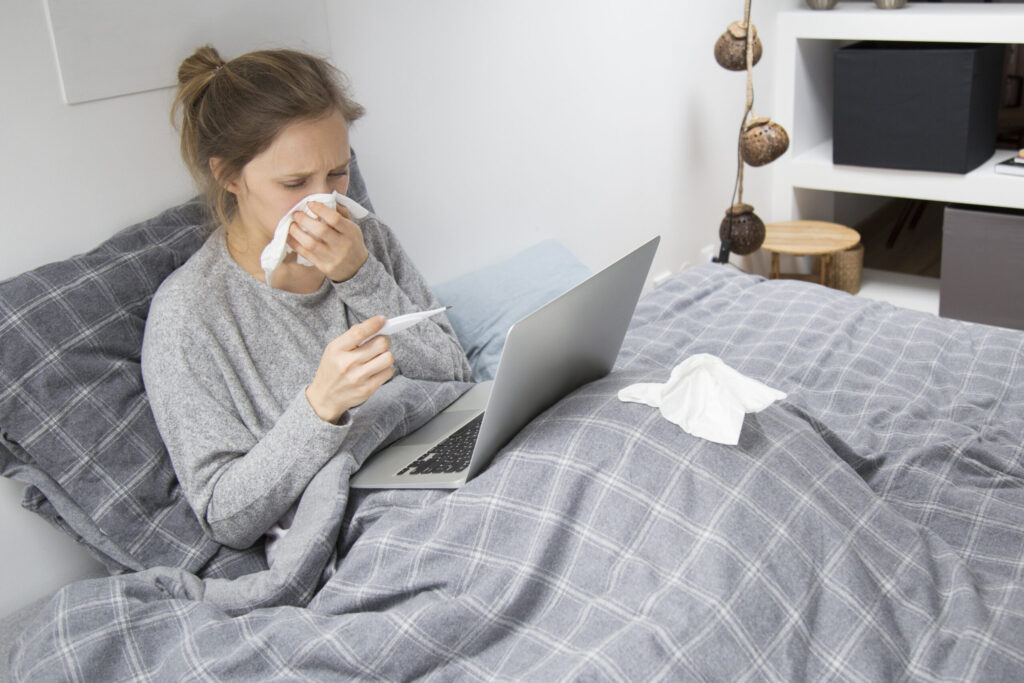
While you sleep, your immune system releases proteins called cytokines, which help fight off infections and inflammation. Skimping on sleep reduces cytokine production, making you more vulnerable to common viruses like colds and the flu, and increasing the duration of recovery.
3. Your Heart Has To Work Overtime
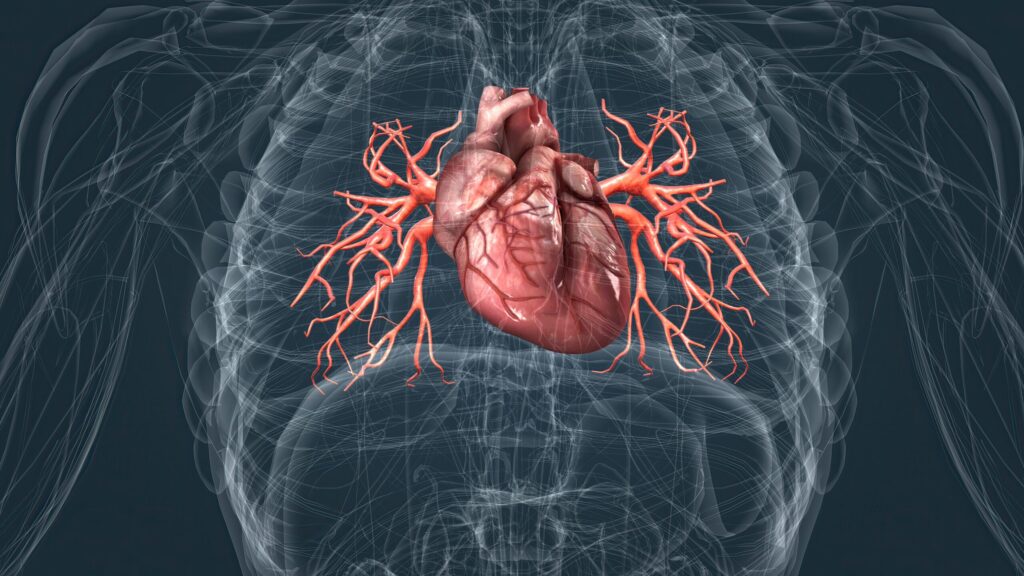
Chronic sleep deprivation directly impacts your cardiovascular system. Consistently getting fewer than 6 hours of sleep per night is linked to an increased risk of:
- High blood pressure
- Heart disease and heart attacks
- Elevated inflammation levels throughout the vascular system
4. Your Metabolism Gets Out of Whack
Ever notice you crave junk food when you’re exhausted? That’s not a lack of willpower. Lack of sleep causes changes in your hormones, including those that affect your appetite.
- Ghrelin (the hormone that tells you you’re hungry) goes UP.
- Leptin (the hormone that tells you you’re full) goes DOWN.
This combination leads to intense sugar and carb cravings, increased appetite, and an elevated risk of weight gain and insulin resistance over time.

How Does Sleep Loss Create a Domino Effect?
Sleep deprivation compounds quickly, triggering a wave of negative physical and mental health impacts over time. After just 24 hours without sleep, you begin to experience slower reaction times, impaired judgment, memory lapses, and a surge in stress hormones like cortisol. At 48 hours, the body succumbs to extreme fatigue, frequent microsleeps (brief, unintentional blackouts lasting a few seconds), and severe mood disturbances. Over time, chronic sleep deprivation takes a long-term toll on your body, significantly increasing your risk of developing type 2 diabetes, cardiovascular disease, a weakened immune system, and persistent anxiety or depression.
Take Control of Your Sleep
First and foremost, ensure that you are setting yourself up for success with a healthy, manageable sleep schedule and environment. This should include getting 7–9 hours of sleep each night (for adults), limiting late-night caffeine, cutting out blue light before bed, and creating a relaxing bedroom space.
If you’re doing everything right and still waking up sore or tired, your mattress might be the culprit. An old, sagging, or unsupportive bed creates pressure points that keep you tossing and turning all night, preventing you from ever entering deep, restorative sleep.
Stop compromising on your health. Visit your local Mattress Hub store today to start getting the sleep your body truly needs!
FAQs
Most healthy adults require between 7 and 9 hours of quality, uninterrupted sleep every night to allow the body and brain time to repair, restore, and clear out cellular waste.
Sleep loss alters your appetite-regulating hormones by increasing ghrelin (which signals hunger) and decreasing leptin (which signals fullness). This hormonal imbalance causes intense cravings for high-carb, sugary foods for quick energy.
Microsleeps are brief, unintentional episodes of sleep or blackouts lasting anywhere from a fraction of a second to a few seconds. They typically occur after extreme sleep deprivation (such as 48 hours without sleep) when the brain forcibly shuts down to rest, posing major safety risks when driving or operating machinery.
An old, sagging, or unsupportive mattress creates uncomfortable pressure points that force you to toss and turn throughout the night. This constant physical adjustment interrupts your sleep cycles, preventing you from reaching the deep, restorative stages of sleep.
While a weekend nap or extra hours in bed can offer short-term relief from fatigue, “sleeping in” does not fully reverse the systemic strain on your cardiovascular system, immune health, or metabolism caused by chronic, long-term sleep loss. Consistency in your daily sleep schedule is key.